

It is important to understand that there are differences in the system of social security and medical care in different parts of the world. Compared to Europe or the United States, social security and public health are separated in Paraguay. This is because it is regulated by the Instituto de Previsión Social (Social Security Institute). (I.P.S.), The other is for employees in the private sector, which also covers the retirement of individuals and, on the other hand, is for employees in the private sector, the private centers in the health care system in Paraguay that are also offered by the public health system through its services. We will now distinguish what these types are below.
On this occasion, Fabricio (F) who has lived all his life in Paraguay (Asunción), is going to give his point of view as a citizen; of how the health system is in Paraguay.
F: «I want to make a small clarification before continuing: What I am going to tell you is only from my experience as a Paraguayan citizen, and does not constitute legal advice, nor professional advice, so I disassociate myself from that responsibility. Take my word as that of a friend speaking from his experience, and not as that of a health professional.»
Health categories in Paraguay
Differences between IPS, Public and Private Hospitals:
- I.P.S. (Social Security Institute): This institute covers a wide range of health services, ranging from simple medical conditions to complex diseases. The IPS, despite being public in nature, operates under a private financing model through the contributions from workers and employers.

- Public Hospitals: In Paraguay everyone has access to public health care in certain hospitals as long as they identify themselves, here are some hospitals:
- Barrio Obrero General Hospital: Located in Asunción, it is the largest public hospital in the country and provides general care.
- National Hospital in Itauguá: It functions as a referral hospital for multiple care and is located in the city of Itauguá.
- National Institute of Cardiology in Trinidad: It specializes in cardiology and is located in the Trinidad neighborhood of Asunción.
- Hospital de Clínicas in San Lorenzo: Affiliated to the Faculty of Medicine of the National University of Asuncion, it is the most complete public hospital in the country and covers a wide range of medical services.
- Private Hospitals:
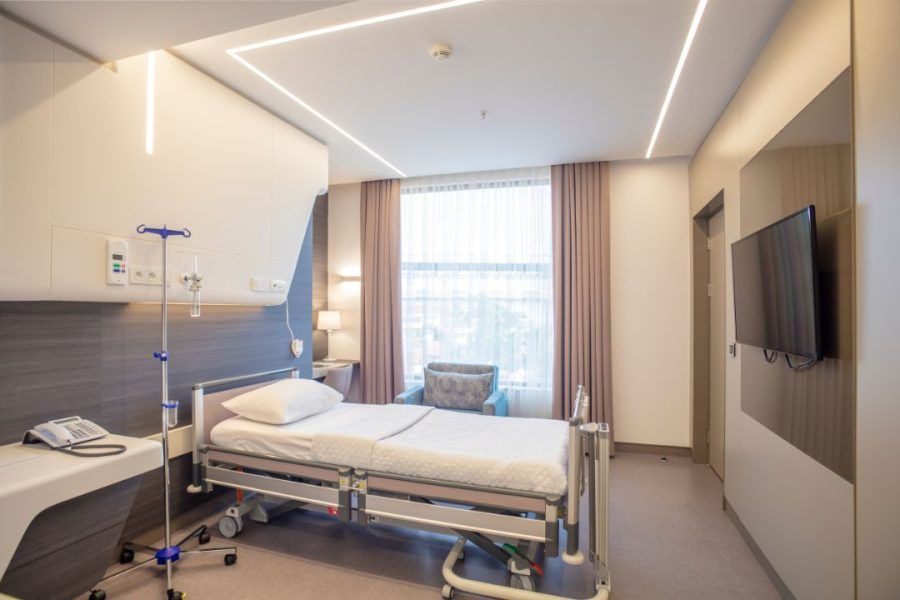
- British Hospital: Part of the Santa Clara group, located in downtown Asunción, offers private medical services.
- Sanatorio Británico and Las Lomas del Británico: They are also part of the Santa Clara group and are located in downtown Asunción.
- International Insurance:
- There are international medical insurance options, which cover up to certain limits, allowing policyholders to receive care in different hospitals. The monthly premium for these insurances is higher, but they offer flexibility in the choice of medical providers.
- Prepaid medicineThere are centers where you pay a monthly fee relatively low around 50$ and covers you for routines, tests, ultrasounds, certain treatments, some days of hospitalization, but of limited coverage, because it does not cover you for long treatments or serious illnesses.
In summary, the choice between IPS, public and private hospitals will depend on the preference and needs of the individual, considering factors such as coverage, convenience and associated costs.
We help you to...
OBTAIN PARAGUAYAN RESIDENCYY
IPS (Social Security of Paraguay)
Access to the Social Security Institute (IPS) in Paraguay is intended for those who work as employees and are 18 years of age or older. These workers must be registered and pay monthly contributions totaling 25.5% of their salary. This percentage is divided into 9% to employee position and 16.5% contributed by the employer.
Additionally, there is the possibility to register for microentrepreneurs, who may voluntarily register as IPS contributors. The microenterprise category is defined as an economic unit with an annual turnover of up to 600 million guaraníes, approximately US$80,000 to US$85,000 per year. However, it is noted that this option is currently voluntary, but will become mandatory as of 2028.

Regarding IPS benefits, These include both retirement such as health insurance. Workers and micro-entrepreneurs who contribute to the IPS have access to comprehensive coverage The IPS provides health care services ranging from simple medical consultations to complex medical procedures, including operations for traffic accidents or pre-existing illnesses. It is important to point out that the IPS, despite being government-administered The Paraguayan social security system is financed mainly by contributions from workers and employers, constituting a social security system of a public nature, but also a public system of social security. privately financed.
It must be said that the independent (freelancers) At present, the smallest children do not have the possibility of accessing the IPS health system, although they do have voluntary access to the IPS pension.
Personal recommendations
At this point, personal recommendations based on the interviewee's experience are presented, bearing in mind that these opinions are subjective and do not constitute legal or medical advice.
- Combined Use of Public and Private Services: It is suggested that a combination of public and private services be considered. The interviewee mentions that some health professionals provide services in both IPS and private practices.
- Attention to Tropical Diseases: Given the presence of tropical diseases in Paraguay, such as the dengue, chikungunya y zika, The most frequent, and in recent years, the COVID-19, it is advisable to keep not only the places clean to avoid mosquito breeding sites, but also personal care to avoid the spread of contagion and to prevent it. * Advised, Therefore, pay equal attention to climatic conditions and endemic diseases; and that Paraguay's public hospitals are aware of and prepared to treat and/or cure them, bearing in mind that public hospitals may have some limitations and deficiencies.
- Questions on the Administration of Public Money: Concerns about the mismanagement of public money in Paraguay are addressed. It is mentioned that Paraguay's budget amounts to US$15 billion, but the need for efficient management of these funds to ensure a sound and sustainable health system is highlighted.
- Personal experience in a public hospital: The interviewee shares his positive experience of being treated, highlighting the dignified and humane treatment during his stay in the hospital. Although he recognizes that luck may vary, his testimony reflects a favorable perception of the medical care provided by the hospital where he went because he had dengue fever.
Paraguay's poor healthcare administration
- Poor Money Management : Concern is expressed regarding the mismanagement of public money in Paraguay's healthcare system.
- Paraguay's Budget and Health Expenditure: Data are provided on Paraguay's budget, which amounts to US$15 billion. Of this budget, it is noted that public spending on health is US$ 2.5 billion per year. This point highlights the relevance of allocating adequate funds for the health system, considering the needs and demands of the population.
- Drug Coverage: The interviewee shares that, during his experience at the public hospital, he did not have the need to purchase medications, indicating that coverage was extended to the necessary medication but not all medicines are always available in public hospitals.
- Attention to Foreigners: It is mentioned that the Paraguayan State offers free care The opening of the health system to foreigners, considering a logic that does not require anyone to pay for medical services, since Paraguayans are also provided care in public health systems in other countries. This openness reflects a health policy that seeks to equity and universal access to medical care.
- Financial Reserve Recommendation: As a personal recommendation, it is suggested that people, especially those who plan to reside in Paraguay, keep reserve funds. This is proposed as a precautionary measure against possible medical emergencies, emphasizing the importance of individual foresight in the context of medical care.
These points provide a critical vision financial and administrative management of the health care system in Paraguay, highlighting areas of concern and underscoring the need for efficient resource management to ensure equitable and sustainable access to health care.
Tips for residents in Paraguay
- Private Insurance and Personal Savings: Residents in Paraguay are advised to consider the private insurance, The importance of the program is also emphasized, whether through national or international institutions. In addition, the importance of the personal savings as a preventive measure. The idea is to create a financial safety net to deal with unforeseen medical expenses and to guarantee care in case the public system fails.
- Retirement at age 55: The surprise was shared at the revelation that in Paraguay it is possible to retire at 55 years of age. This aspect could generate reflections on the need to prepare financially for retirement at a relatively early age and the long-term implications of this decision.
- Microentrepreneurs and Contributions: It is clarified that, although registration as a contributor to the IPS is optional for micro-entrepreneurs at present, it will be mandatory as of 2028. This information highlights future regulatory changes that may affect those who manage microenterprises, or if you are a freelancer, keep in mind that you can set up a company.
- International Insurance and Extended Coverage: Mention is made of the option of international medical insurance offering coverage up to certain limits, The insurance plan, allowing policyholders to receive care in different hospitals. Although the monthly premium may be higher, it is presented as an alternative for those who are looking for a more affordable option. broader and more flexible coverage.
These tips offer practical guidance for those residing in Paraguay, focusing on the importance of financial foresight, savings culture and informed choice of health options, having international insurance is highly recommended.

Oola Senhor Alejandro
sono unn senhor de 83 anhos muy vital, active, depues he vivido in 3 continentes n la engnheria civil. a lo inicio de avril vengo a visitar el Paraguai, no como turista...melhor free-lancer,viajador curioso... que usted, Senhor ALEJANDRO sabe deressar al melhor.
Naturally aghradegocontacto profesinol for different news comovivir el melhor.
I will be the first week in hotel adAsuncion and will find it very convenient.